Turn revision into classroom games and challenges
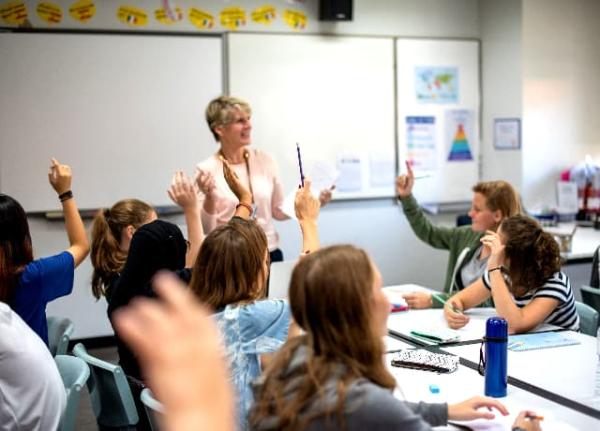
One of the best revision tips for maintaining concentration is introducing an element of fun and competition into lessons. Repeating information from textbooks or worksheets for long periods can quickly cause students to lose interest, particularly towards the end of the term when energy levels are lower. Creating enjoyable classroom experiences around revision can also reduce anxiety, helping students feel calmer and more confident before assessments.
Simple activities like timed quizzes, subject bingo, revision treasure hunts, or team-based challenges encourage pupils to participate actively instead of passively reading notes. These kinds of activities help students recall information naturally while keeping the classroom’s energy positive and engaging. Even quick five-minute starter games can help refresh key topics before moving into more focused revision tasks.
For younger children, visual activities often work particularly well. Colour-coded revision cards, matching exercises, and classroom displays can help pupils absorb information in a way that feels interactive rather than repetitive. On the other hand, secondary school students often respond positively to collaborative activities where they can explain topics to each other – this could include quick peer quizzes, ‘teach the topic' pair work, or short group discussions.
Keep revision sessions short, varied, and interactive
Long revision sessions can quickly become overwhelming, particularly for students who already feel nervous about upcoming tests or exams. Breaking lessons into shorter activities often helps maintain focus and improves information retention throughout the day.
Rotating between discussion tasks, written exercises, videos, memory games, and practice questions keeps lessons moving and prevents students from becoming mentally fatigued. Even changing seating arrangements or introducing small group activities can refresh classroom energy and encourage participation.
If you’re searching for last-minute revision tips, quick recap activities are often an extremely effective choice. A short end-of-lesson quiz, flashcard challenge, or peer questioning activity can reinforce learning without adding unnecessary pressure. Encouraging students to summarise topics in their own words is another useful way to identify areas that may still need support before assessments begin.
Celebrate progress to keep motivation high
Revision becomes far more enjoyable when students feel recognised for the effort they’re putting in. Small achievements can have a big impact on motivation, particularly during demanding periods when pupils may feel overwhelmed by the amount of content they need to remember.
Celebrating improvements in effort, participation, and organisation often creates a more supportive atmosphere where students feel encouraged to keep trying. Simple reward systems, positive feedback or progress charts can encourage your pupils to stay engaged and continue building confidence in their abilities.
Bring revision to life with interactive, personalised resources
When classrooms are supported with the right resources, it becomes easier to stay organised and to keep students motivated throughout their learning. Personalised school exercise books can help bring revision to life, giving students a space that feels engaging and uniquely theirs. Adding details like your school’s name, motto, or badge helps create a stronger sense of ownership, encouraging your pupils to take pride in their work and feel more connected to what they’re revising.
Once students feel more invested, these books can be used in simple, interactive ways to make revision more enjoyable. Pupils might create their own quick-fire quizzes on key topics, swap questions with a partner, or set out ‘teach-it-back’ pages where they explain ideas in their own words.
Homework diaries can also be used in creative ways to make revision feel more engaging. Instead of simply recording what they’ve completed, students can tick off mini challenges, set themselves quick revision goals, or add short ‘win moments’ when they master a topic. Reading logs can also be useful here. Pupils might jot down fun facts they’ve learned from their books, share quick reflections with a partner, or take part in short class discussions based on what they’ve read. These small, low-pressure tasks help keep revision varied and active, encouraging students to stay involved without it feeling repetitive or heavy.
Those are some of our top revision tips covered! If you’re focused on how to make revision fun and are looking for resources to help, you’re definitely in the right place. At EPSL, we’re proud to provide schools with a wide range of dependable, premium solutions, including everything from tinted exercise books and student planners to handy exam supplies. We’re committed to making the revision period feel far more manageable for both teachers and pupils, combining premium-quality products, quick turnaround and competitive pricing every time. Interested in upgrading your classroom resources? Explore our website or contact our team today on 01254 686 500.